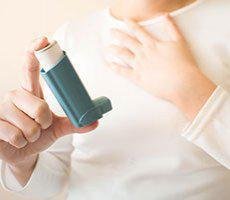
| Medication: | Ventolin Inhaler (Albuterol inhaler) |
| Dosage: | 100 mcg |
| Price: | from $22.49 per inhaler |
| Where to Buy | Visit Now |
| Medication: | Ventolin Tablets (Albuterol) |
| Dosage: | 4 mg, 2 mg |
| Price: | from $0.50 per tablet |
| Where to Buy | Visit Now |
What is Ventolin (Albuterol)
Ventolin HFA is a brand name inhaler whose active ingredient is albuterol (also known as salbutamol in some countries). It is a short‑acting β₂‑adrenergic receptor agonist, meaning it works by relaxing the smooth muscles around the airways in your lungs (the bronchioles), which allows the air passages to open up more easily.
It is used primarily for the relief of bronchospasm in conditions such as asthma, chronic obstructive pulmonary disease (COPD), and for exercise‑induced bronchoconstriction.
Mechanism of Action & How it Helps
When you inhale Ventolin, the albuterol travels into your airways and stimulates the β₂‑adrenergic receptors on the smooth muscle of the bronchi. This stimulation triggers a cascade that causes muscle relaxation, thus dilating (widening) the bronchioles and making breathing easier. This effect happens rapidly — often within minutes — making albuterol a rescue or “reliever” inhaler rather than a long‑term controller.
Because it works quickly, it’s particularly valuable when you’re experiencing acute symptoms (wheezing, shortness of breath, chest tightness) or about to enter a known trigger (exercise, allergen exposure) that might provoke bronchospasm.
Indications – When Ventolin is Used
Some of the key uses:
- For treating bronchospasm in reversible obstructive airway disease (like asthma) in people aged 4 years and older.
- For prevention of exercise‑induced bronchospasm (EIB): taking two puffs about 15‑30 minutes before exercise.
- Less commonly, it may be used in other settings of acute airway constriction under medical supervision (e.g., in hospital nebulised formats) though that goes beyond the usual outpatient Ventolin inhaler.
It is not intended as a stand‑alone long‑term controller for asthma — that role is filled by inhaled corticosteroids or long‑acting bronchodilators. Instead, Ventolin is part of a broader asthma or COPD management plan.
Dosage & Administration
Below are typical dosage guidelines (always follow your physician’s instructions).
- For adults and children aged 4 years and older using the inhaler: 2 inhalations (puffs) every 4 to 6 hours as needed for bronchospasm. In some patients, 1 puff every 4 hours may suffice.
- For prevention of exercise‑induced bronchospasm: 2 puffs 15 to 30 minutes before exercise.
- The inhaler must be inhaled (via mouth) only. It must be primed (for example, when new or after not used for >2 weeks) — for instance: shake well, release 4 sprays away from the face for the first time or after a gap.
- Storage: Keep the inhaler at room temperature; away from extreme heat/cold. Discard when dose counter reads “000” or after the expiration date.
Also, the technique: remove cap, shake inhaler, breathe out completely, place mouthpiece between lips (seal), press canister as you inhale deeply, hold your breath for ~10 seconds if you can safely do so, then breathe out slowly. If another puff is needed, wait about one minute between puffs.
How to Use it Correctly (Technique & Tips)
Correct inhaler technique is crucial for the medicine to reach your lungs rather than staying in your mouth or throat. Some practical tips:
- Always check the mouthpiece is clean, free of debris or blockages.
- Shake the inhaler before each inhalation.
- If you’re using a spacer device (especially helpful for children or people who have trouble coordinating inhaler actuation + inhalation), attach the inhaler into the spacer, exhale fully, then actuate while slowly inhaling and hold your breath.
- Regularly clean the mouthpiece/actuator once per week, following manufacturer instructions, so the spray path is not blocked and dosing remains consistent.
- Always carry your rescue inhaler with you if you have asthma or COPD. Don’t assume you’ll only need it at home.
- If you feel the inhaler no longer seems to help, or you’re using it more often than usual (e.g., more than 2 times per week for symptoms), that is a warning sign your underlying condition may be worsening.
Side Effects & Warnings
As with any medication, Ventolin has potential side effects and important warnings.
Common side effects may include:
- Tremor (shakiness)
- Nervousness
- Increased heart rate (palpitations)
- Headache
- Sore throat, cough or throat irritation
Serious side effects / warnings include:
- Paradoxical bronchospasm: that is, breathing gets worse after using the inhaler. If this happens, stop use and seek immediate medical help.
- Heart problems: faster heart rate, higher blood pressure, arrhythmias especially in people with underlying cardiovascular disease.
- Hypokalemia (low potassium), changes in blood sugar in some patients.
- Worsening symptoms: if you need to use the inhaler more frequently, your disease control may be declining and you should contact your healthcare provider.
Precautions: If you have or had heart disease, arrhythmias, high blood pressure, hyperthyroidism, diabetes, low potassium, or seizures — you should use caution and discuss with your doctor.
When It’s Not Enough & What to Watch For
Using your Ventolin inhaler more than usual (for example >2–3 times a week for symptoms) is a red flag that your asthma or COPD may not be well‑controlled. For example, the UK guidance for salbutamol inhalers (which is the same molecule) states that needing the inhaler more than 4 times in 24 hours or regularly at night means you should contact your doctor.
Also, if you have an asthma action plan, you should know your “yellow zone” and “red zone” signs (worsening symptoms, increased use of rescue inhaler, reduced peak flow if used).
In such cases, your doctor may need to adjust your controller therapy (for example add or increase inhaled steroid, other long‑acting medication) rather than relying on more rescue inhaler use alone. Rescue inhaler over‑use is not safe in the long run.
Storage, Expiry, Dose Counter & Practical Considerations
- Most modern Ventolin inhalers include a dose counter (window showing how many sprays remain). For example, when the counter reads “20” you should arrange a refill. When it reaches “0” you must discard it.
- Don’t use an inhaler past its expiry date. Also don’t assume that “feels full” = full medicine; always rely on the counter or track usage.
- Store at room temperature, avoid car trunks or extremely cold/hot environments. Keep out of reach of children.
- Keep track of when you first started the inhaler (some specifications require discarding after 6 months once opened, depending on type) — although this varies by brand/country.
Generic and Other Names
While Ventolin HFA is a common brand name, the generic name is albuterol or salbutamol (depending on region).
Other brand names include ProAir HFA, Proventil HFA, etc.
Knowing the generic name helps you recognise equivalent therapies, especially if cost or availability is an issue.
How to Get Prescribed Ventolin (Albuterol) Online / Telehealth
In recent years, telehealth (virtual doctor visits) has become a viable option for obtaining prescriptions of respiratory rescue inhalers like albuterol — including Ventolin. Below is a step‑by‑step guide and what you should know.
Step 1: Research and Choose a Legit Telehealth Platform
Select a reliable telehealth service that is licensed in your state/country. For example, platforms like Sesame allow providers to write prescriptions for albuterol during online visits. Another example is GoodRx Care for inhaler prescriptions.
Step 2: Prepare for Your Virtual Consultation
– Be ready with your medical history: asthma or COPD diagnosis, prior inhaler use, frequency of your symptoms, triggers, other medications.
– If you already use an inhaler, have the label handy or provide details.
– Be honest about how often you’re using your rescue inhaler, nights awakened, etc.
– Ensure you have a pharmacy you prefer (local or delivery) and your insurance info if relevant.
Step 3: Complete the Online Medical Assessment & Visit
During the telehealth visit you'll be asked about your breathing symptoms, inhaler use, triggers, whether there have been recent hospitalizations or exacerbations, and any other health issues (heart disease, pregnancy, etc). The provider will decide if an albuterol prescription is appropriate. For example, one site states: “Prescriptions are issued only when clinically appropriate.”
Step 4: Prescription & Pharmacy Fulfilment
If the provider approves albuterol (Ventolin) for you, the prescription can be sent electronically to your local pharmacy or online pharmacy for delivery. Some platforms allow same‑day pharmacy pickup or home delivery.
Step 5: Ongoing Follow‑Up & Monitoring
Getting the prescription is only part of the story. You still need to monitor how your lung condition is controlled, see a clinician when needed, and use your rescue inhaler only as part of a comprehensive asthma/COPD plan (which may include controllers, trigger avoidance, action plan). If you find you’re relying heavily on your rescue inhaler, you need to follow up with a doctor. Many telehealth providers caution that inhaler prescriptions alone do not replace full respiratory management.
Important Considerations & Limitations
- Not all patients or all conditions are suitable for purely online care — if your disease is severe, you have multiple comorbidities, you are pregnant, or you have new or worsening symptoms, an in‑person visit may be needed.
- Online services may require you to have had prior diagnosis of asthma or COPD, or they may limit first‑time visits.
- Medication cost, insurance coverage, and pharmacy availability vary by region; telehealth may simplify prescription but you still must pick up or pay for the medication.
- A telehealth prescription does not replace emergency care if you are having a serious exacerbation (e.g., severe shortness of breath, chest tightness, cannot speak full sentences, low oxygen).
In short: yes, you can get a Ventolin/albuterol prescription online via telehealth, but it must be done properly, responsibly, and with full disclosure of your medical history.
How to Use the Telehealth Option Safely & Effectively
Here are some practical tips:
- Make sure the telehealth service is legitimate: board‑certified providers, secure platform, licensed in your jurisdiction.
- Be sure you understand how much the visit costs, whether your insurance covers it (if applicable), and the cost of the inhaler at your pharmacy.
- Have your pharmacy chosen ahead of time (local or delivery) and check pricing, generics availability.
- After the prescription is sent, double‑check with the pharmacy whether they actually received it, whether generic is okay, and confirm your copay.
- Once you have the inhaler, practice correct technique (you might ask the provider or pharmacist for a demonstration).
- Keep track of your inhaler’s dose counter, when it’s near empty, and set a reminder to refill ahead of time.
- Keep a record of how often you use it, what triggers you had, whether it relieved you quickly — that information can help your next visit.
- If your symptoms worsen, if you start using the inhaler more often, or if you wake at night with symptoms, make an in‑person appointment with a respiratory specialist.
Special Populations & Considerations
- Children under 4 years of age: The safety and effectiveness of Ventolin HFA in children younger than 4 years has not been established.
- Elderly patients: While there are no specific studies limiting use for elderly patients, they often have more comorbidities (heart, kidney, liver) and may require dose adjustment or close monitoring.
- Pregnancy / breastfeeding: If you are pregnant or plan to become pregnant (or are breastfeeding), you should discuss the risks and benefits with a clinician. Although albuterol is commonly used, each case is individual.
- Comorbid conditions: If you have heart disease, arrhythmias, hypertension, hyperthyroidism or diabetes, using a β₂‑agonist requires caution (the medicine can affect heart rate, potassium levels, blood sugar)
- Trigger‑specific use: For example, if you use it just for exercise‑induced bronchospasm, you might take two puffs before exercise and ensure you have the inhaler with you. But if you find you need it many times after exercise or in other situations, that may indicate your baseline disease needs a review.
Cost, Insurance & Generic Options
Ventolin HFA can be more expensive as a brand name; the generic albuterol inhaler is an equivalent option in many cases (depending on country/region). When doing a telehealth prescription, always ask: “Is a generic albuterol inhaler okay?”
Some online services show discounted pricing, or you may use pharmacy discount cards. For telehealth, note that the visit itself may incur a fee (e.g., some platforms list a $34 virtual consultation) and the inhaler cost is separate.
It’s wise to check local pharmacy cost ahead of time, and ask your telehealth provider about options if cost is a concern.
When to Seek Emergency Care — Red‑flags
Even with a rescue inhaler, there are times when you must get urgent or emergency medical attention:
- If your wheezing or shortness of breath is sudden, severe, you’re having difficulty speaking full sentences, your lips or face are bluish.
- If you’ve used your inhaler (several puffs) and your symptoms are not improving within 10‑15 minutes (or even worsening).
- If you’re using the inhaler far more frequently than usual (many puffs/hours) — this suggests your condition is unstable.
- If you have chest pain, fainting, or new heart symptoms after inhaler use — could indicate serious side‑effects.
- If you develop signs of a severe allergic reaction (hive, swelling of face/mouth, difficulty breathing) after use — stop and get emergency help.
Remember: Rescue inhalers are for urgent relief, not a substitute for regular medical care or monitoring of your lung disease.
Summary & Key Takeaways
- Ventolin (albuterol) is a fast‑acting inhaled bronchodilator used to treat or prevent bronchospasm (e.g., in asthma or COPD).
- Proper inhaler technique and adherence to dosing are vital — misuse reduces effectiveness.
- Side‑effects exist; over‑reliance on the inhaler signals inadequate control of your lung disease and the need for medical reassessment.
- Telehealth today offers a convenient way to obtain a prescription for albuterol/Ventolin in many cases — provided you have a valid indication, a proper virtual consultation, and pharmacy fulfilment.
- But obtaining the inhaler is only part of the solution — you still must manage your underlying condition (controllers, trigger control, action plan) and know when to seek urgent care.
- Always follow your clinician’s advice. If anything changes (worsening symptoms, increased inhaler use, new comorbidities), don’t delay seeing a doctor.